
One of the most established examples of Clean Energy is a 1.4 MW renewable energy facility that has been running successfully for more than ten years. Located within ReVenture Park—an eco-industrial redevelopment project—this site demonstrates how Forsite integrates environmental remediation, infrastructure revitalization, and energy innovation to create sustainable power solutions. But the impact goes far beyond a single location. This project serves as a blueprint for redeveloping large industrial sites across the country, proving that clean energy and economic revitalization can go hand in hand.
The Challenge
Industrial sites often come with significant redevelopment hurdles, including:
- Aging Infrastructure → Outdated utility systems that need modernization.
- Environmental Contamination → Legacy pollutants requiring remediation.
- Underutilized Energy Resources → Methane emissions from landfills and former industrial operations that would otherwise go to waste.
Forsite saw an opportunity to turn these obstacles into assets, creating a framework that could be replicated across multiple properties.
Forsite’s Solution
Forsite’s approach to Clean Energy combines technical expertise, strategic remediation, and long-term operational efficiency to transform industrial properties into productive clean energy hubs.


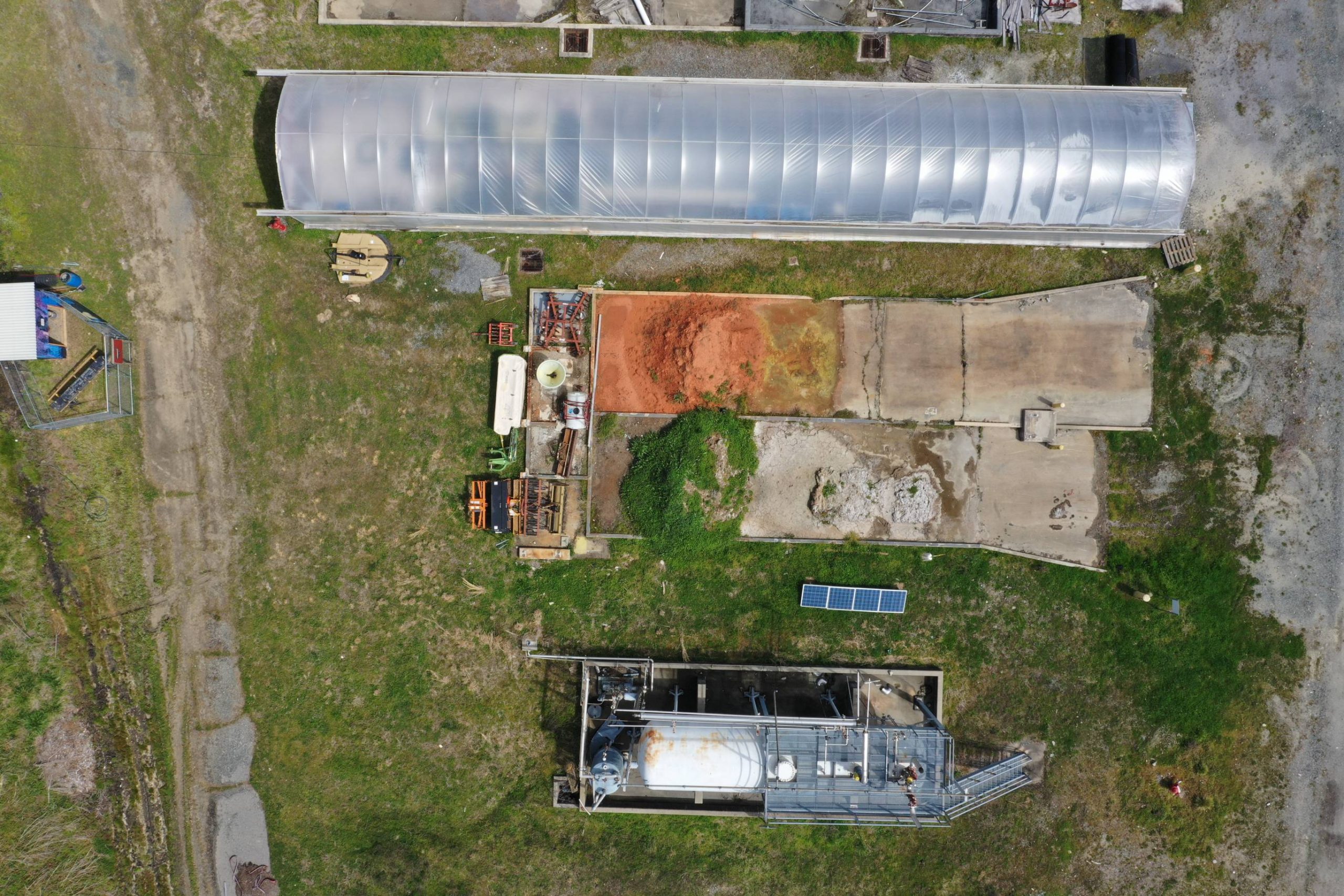
Harnessing Landfill Gas for Renewable Power: Forsite operates a combined heat and power (CHP) system that converts landfill gas into 1.4 MW of clean energy. This not only generates electricity, but also captures waste heat, putting it to use for additional onsite applications.
Revitalizing Industrial Infrastructure: By modernizing outdated power, water, and wastewater systems, Forsite ensures that these sites can support future energy production and industrial tenants without excessive redevelopment costs.
Environmental Remediation & Sustainable Land Use: Beyond clean energy production, Forsite integrates risk transfer strategies to safely remediate contamination while repurposing land for new uses, from wetlands restoration to sustainable agriculture.
A Scalable Blueprint for Future Projects: While ReVenture Park serves as a strong example, the Clean Energy model is designed to be replicated across other industrial sites, unlocking their potential for clean energy production and economic revitalization.
The Impact
The Clean Energy initiative delivers tangible environmental and economic benefits:
Environmental Gains → By capturing and repurposing landfill gas, Forsite prevents methane—a potent greenhouse gas—from entering the atmosphere, reducing overall emissions.
Economic Revitalization → The redevelopment of these sites supports local job creation, strengthens infrastructure, and provides new opportunities for industrial growth.
Scalable Sustainability → Forsite’s expertise in energy redevelopment, environmental risk transfer, and infrastructure modernization makes Clean Energy a model for future projects.
Lessons Learned & Future Outlook
Looking ahead, Forsite remains focused on:
- Optimizing clean energy operations to increase efficiency and reduce costs.
- Expanding the use of repurposed industrial sites for energy generation and complementary sustainability projects.
- Developing partnerships with local governments, environmental agencies, and universities to enhance innovation and impact.
Conclusion
Through Clean Energy, Forsite Development has proven that shuttered industrial properties don’t have to remain liabilities—they can be transformed into long-term renewable energy assets. With over a decade of operational success and a model that can be scaled across multiple sites, Forsite continues to redefine what’s possible in industrial redevelopment, clean energy, and environmental stewardship.